-
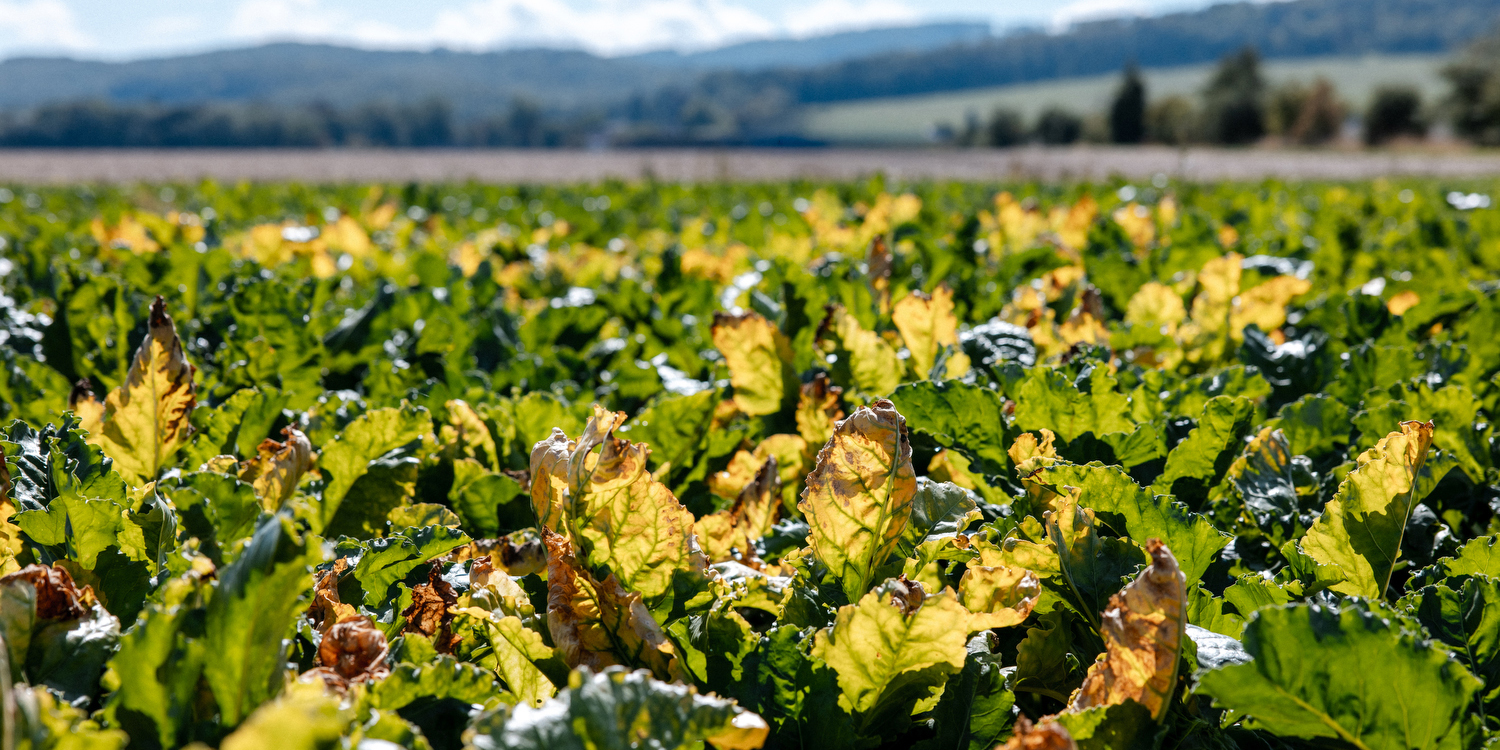 Virus Yellows

Virus Yellows in Sugarbeet: A Persistent Challenge
First recognized in the 1970s for its devastating impact on yield and crop viability, the disease forced many growers to abandon sugarbeet farming. For decades, seed treatment insecticides -especially neonicotinoids- effectively controlled the aphids responsible for transmitting the virus, reducing its prevalence across Europe.
However, the landscape has changed dramatically. The EU-wide ban on neonicotinoid seed treatments, combined with increasingly mild winters due to climate change, has led to a resurgence of aphid populations. These conditions, along with growing insecticide resistance and limited alternative control options, have reintroduced Virus Yellows as a serious challenge for sugarbeet growers in many regions. Today, mixed infections involving Beet Yellows Virus (BYV), Beet Mild Yellowing Virus (BMYV), Beet Chlorosis Virus (BChV), and Beet Mosaic Virus (BtMV) are common. Yield losses can reach up to 50%, especially when infections occur early in the crop’s development.

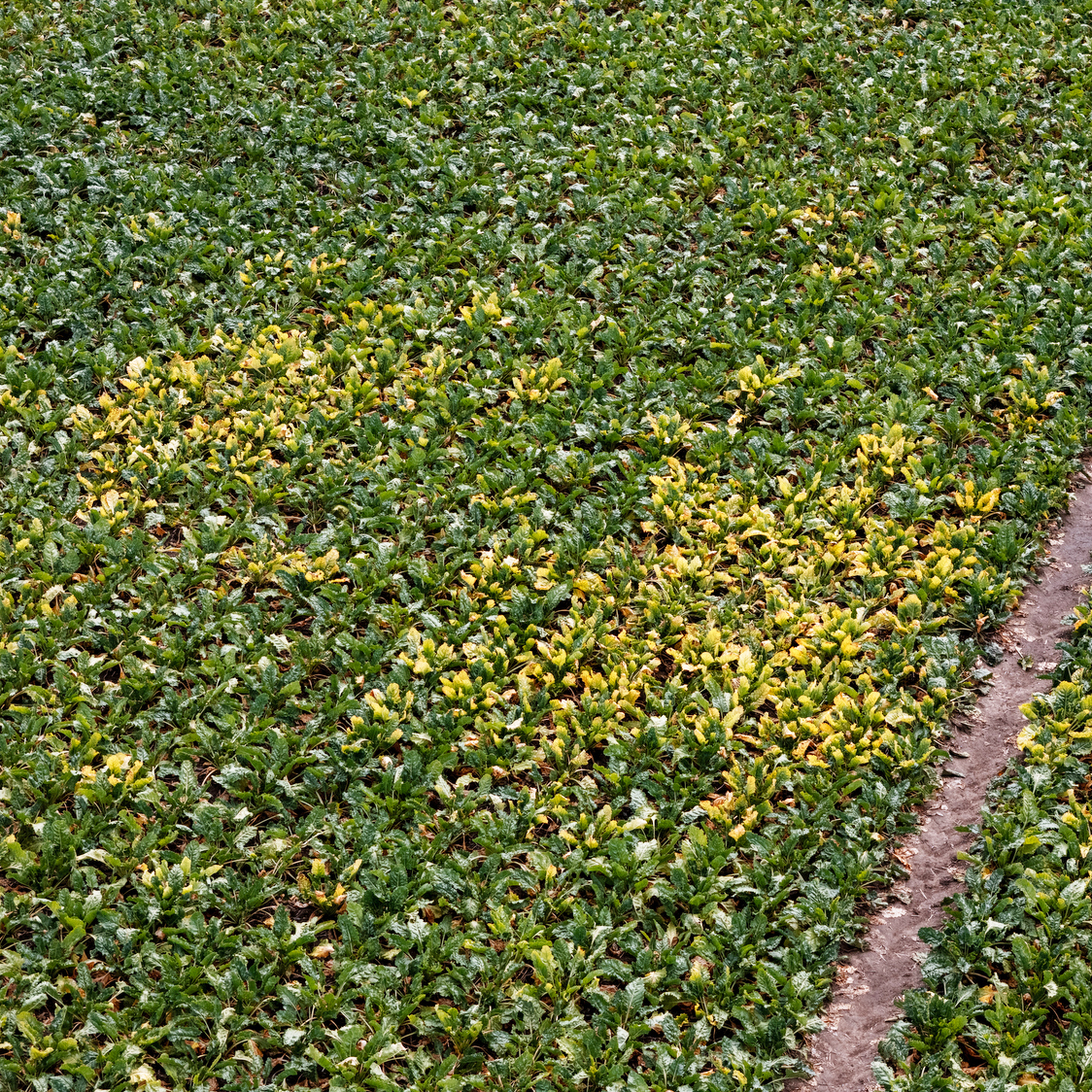
Germany 2025, field with circular yellow patches characteristic of Virus Yellows infection
This viral disease is transmitted by different species of aphids. It reduces the photosynthetic area of the leaves and impacts on the yield and the sugar content of the beets. Yield losses can be severe - up to 50%!
Symptoms
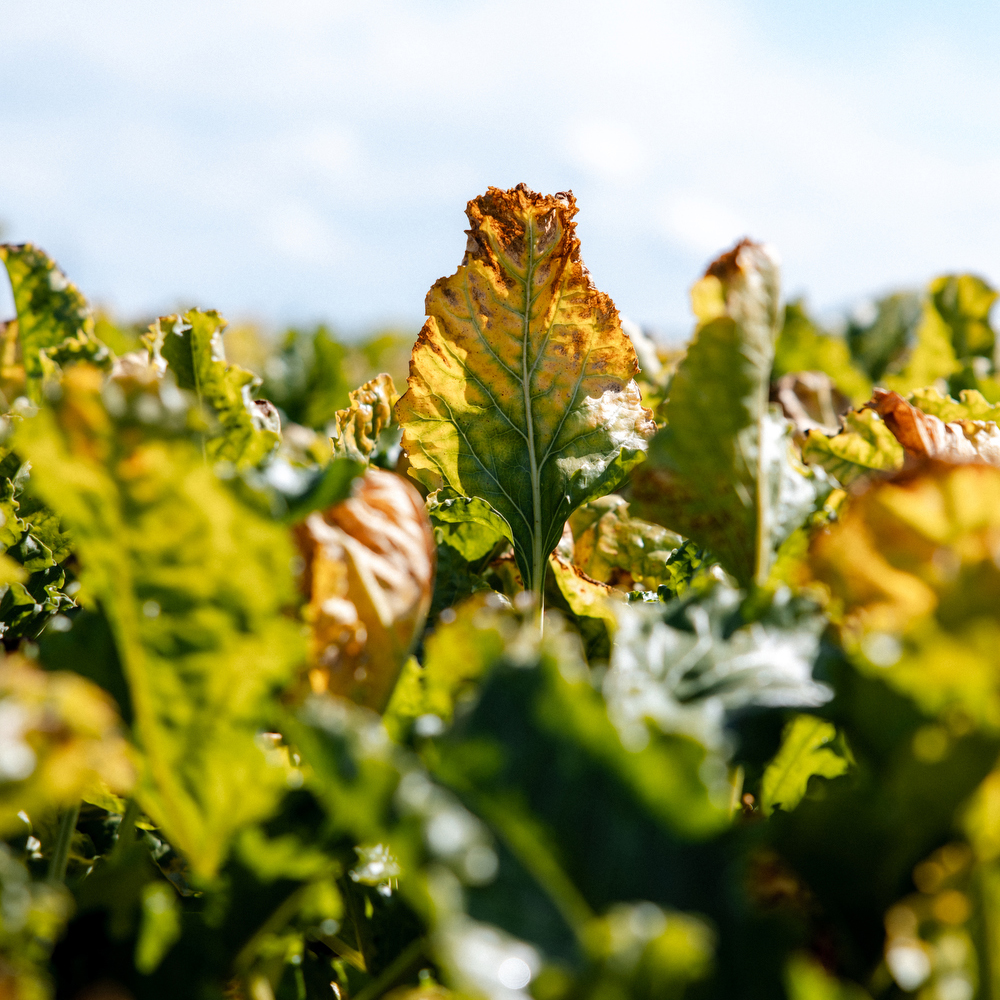
Virus yellows symptoms begin with interveinal yellowing on older leaves, progressing to bronze or reddish discoloration in severe cases.
Leaves may thicken, become brittle, and show necrotic spots. Virus Yellows disease appears in the fields as circular yellow patches. Over time, however, it can spread across the entire field.
-
-
Main symptoms: yellowing of the leaves between the veins and circular yellow patches in the field.
-
Vectors of Virus Yellows
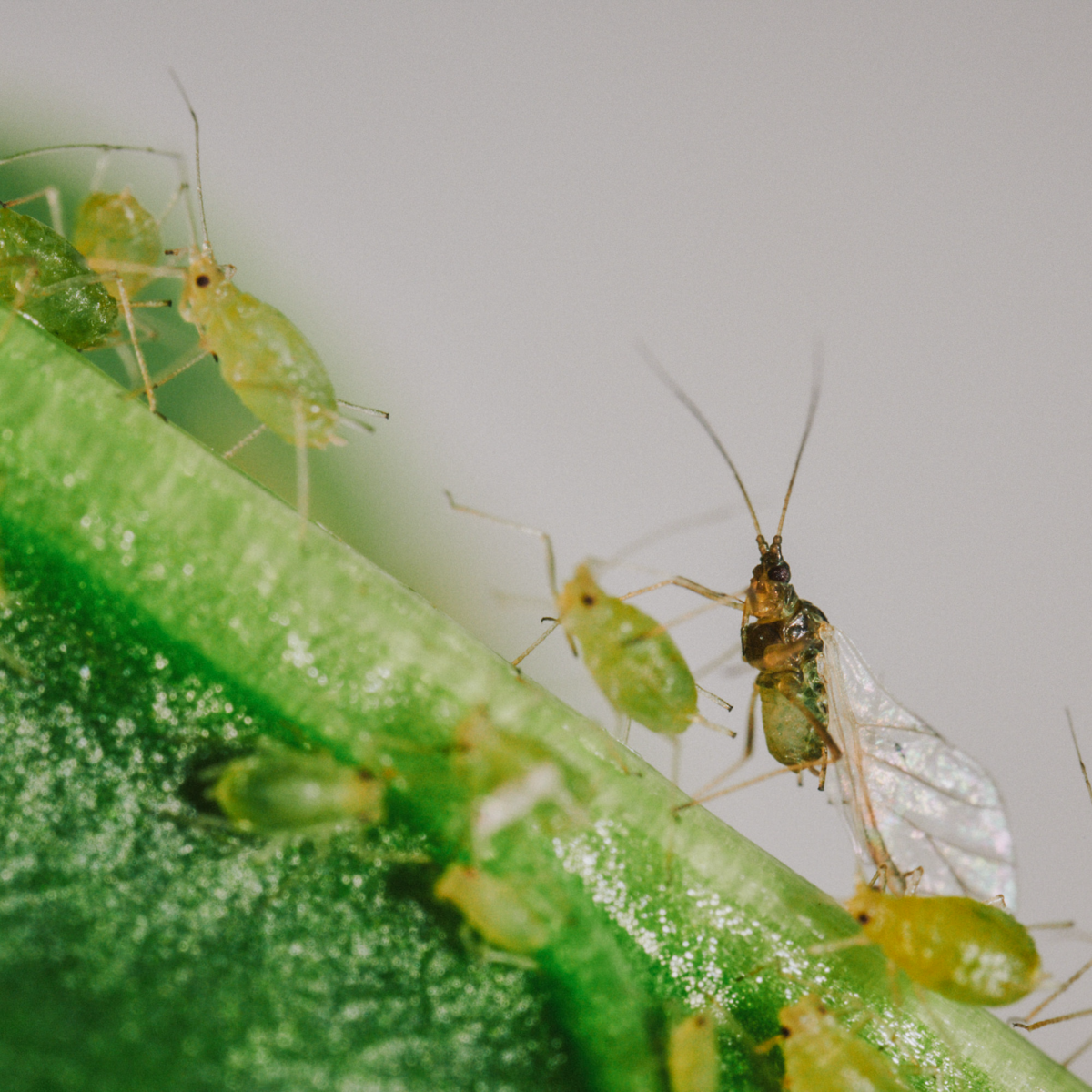
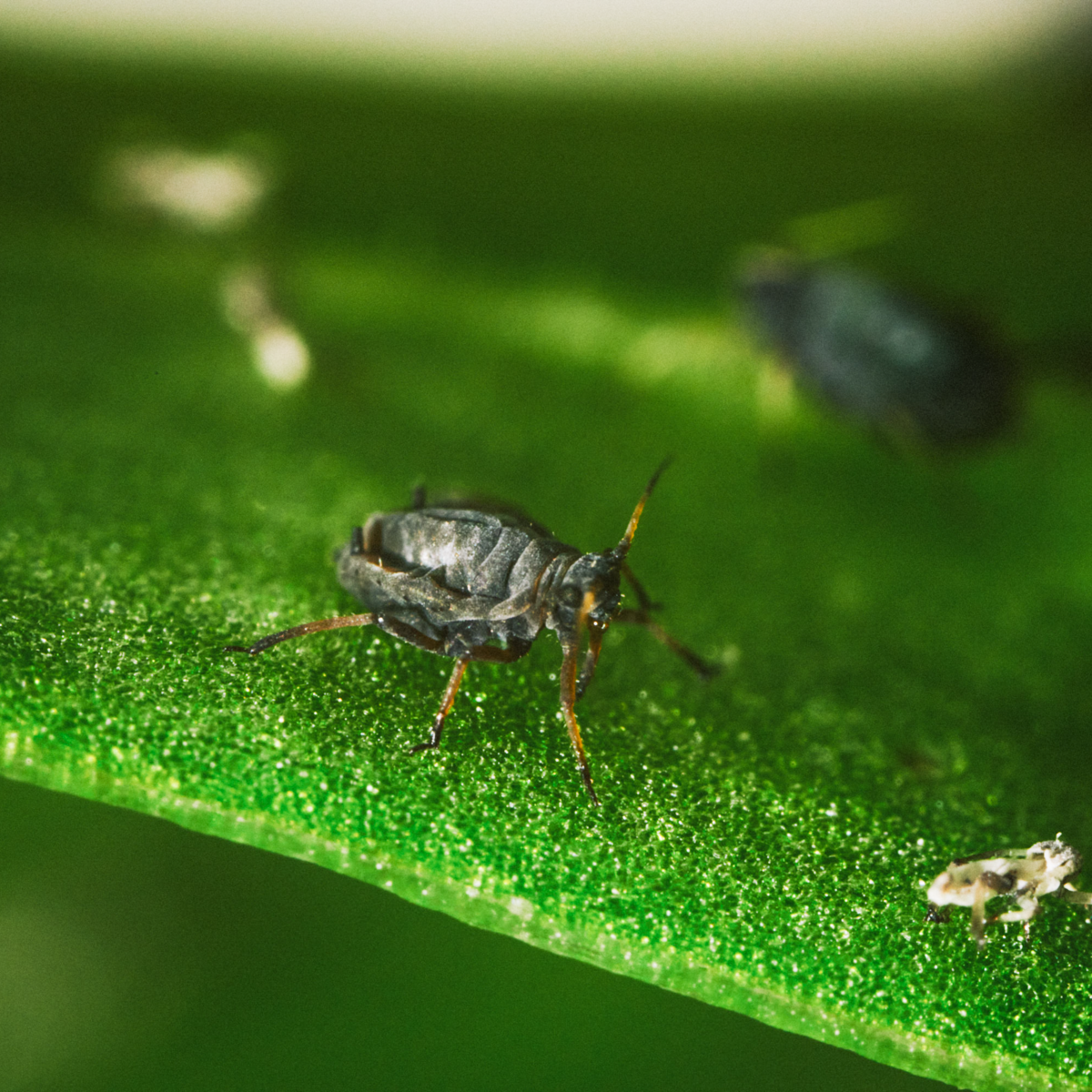
Even though the disease can be transmitted by other aphids, the most important ones are the Green Peach Aphid (Myzus persicae) and the Black Bean Aphid (Aphis fabae).
Both aphids can live in host plants such as weeds and migrate to fields right after the plant's emergence.
-
-
Main vectors - Peach Potato Aphid (left) Black Bean Aphid (right)
-
Types of Viruses
Virus Yellows is an umbrella name for similar symptoms caused by four different types of viruses:
Transmission, severity, and symptoms of the disease depend on the specific virus present. Furthermore, more than one type of virus may be present, causing mixed infections.

Disease Management
Mild temperatures during fall and winter, associated with a lack of insecticide options for aphid control can favor an increase in aphids’ population, posing a threat to sugar beet fields.
Even if aphids are present, they still might not be carriers of the virus, and other measures on an integrated disease control program can help.
Monitoring
The monitoring of the crop, and information on aphid first flights and population development, supports the decision if an insecticide application is needed.
Seed treatment
Ensuring rapid germination and strong field establishment through the use of high-quality seeds and optimal seed treatments with insecticides and fungicides is crucial. Virus infections in sugar beet during the very early growth stages can lead to the most severe yield losses.
Foliar Insecticide
Timely foliar insecticide applications help reduce aphid populations and limit virus transmission. Always check the available insecticides on the market and verify the recommended aphid control thresholds.
Field hygiene
Maintain strict field hygiene by eliminating sugar beet volunteers and weeds that serve as virus reservoirs, using appropriate herbicides. Additionally, ensure proper clamp management to prevent stored beets from acting as green bridges for the disease,as they can allow aphids to survive and spread Virus Yellows into the next crop.
Genetics
KWS is working through its research program on the development of tolerant sugarbeet varieties to provide further protection against Virus Yellows infection.
But until those varieties are fully available, the awareness and knowledge about the disease, as well as the use of other control measures are crucial to prevent Virus Yellows to become as detrimental to sugarbeet as it was in the past.
Virus Yellows Protect: Minimize risk, optimize performance

