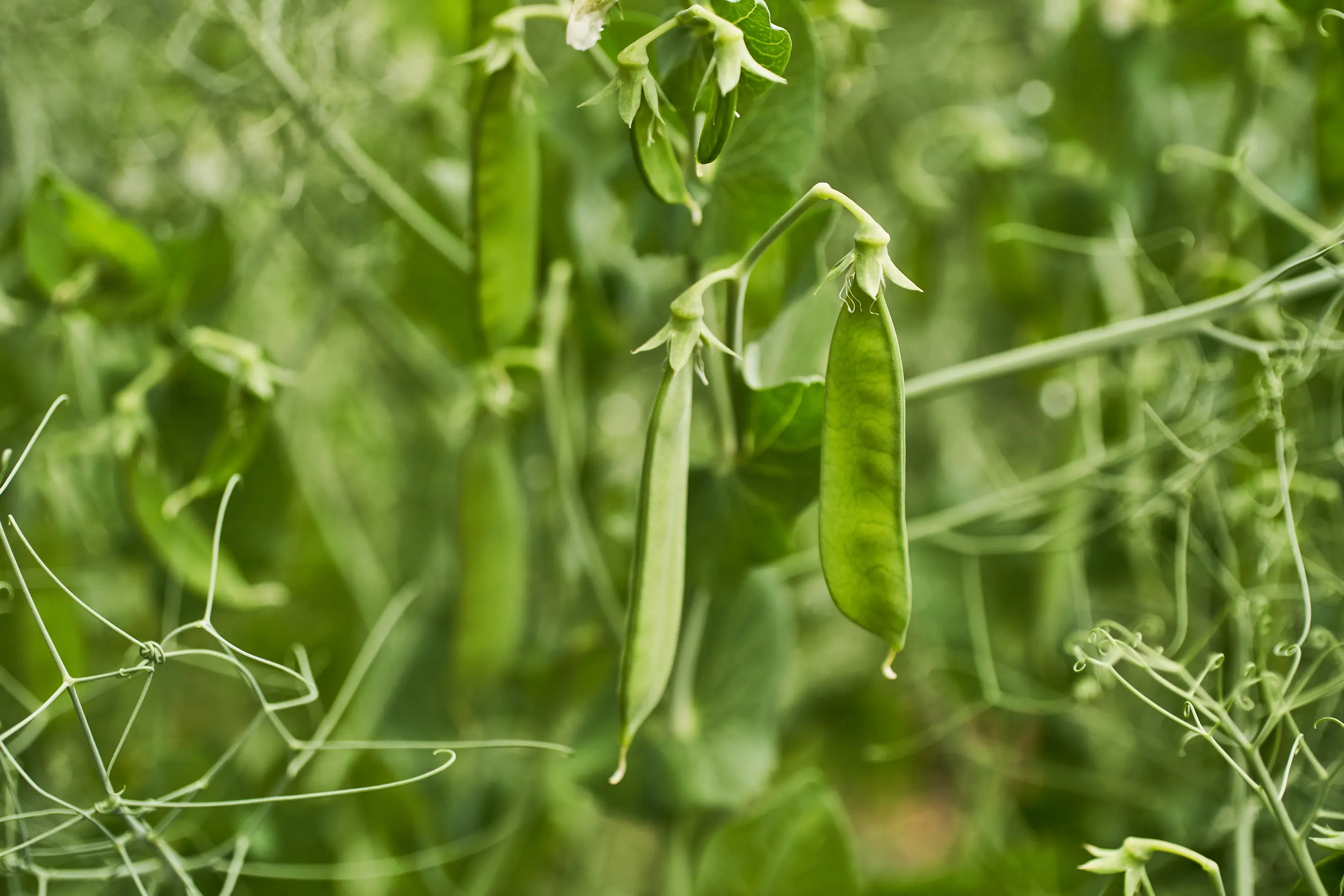
• Green pea plant with seed pods hanging among lush foliage. The pods are elongated and smooth, indicating ripeness.
    Grain peas
    our future crops
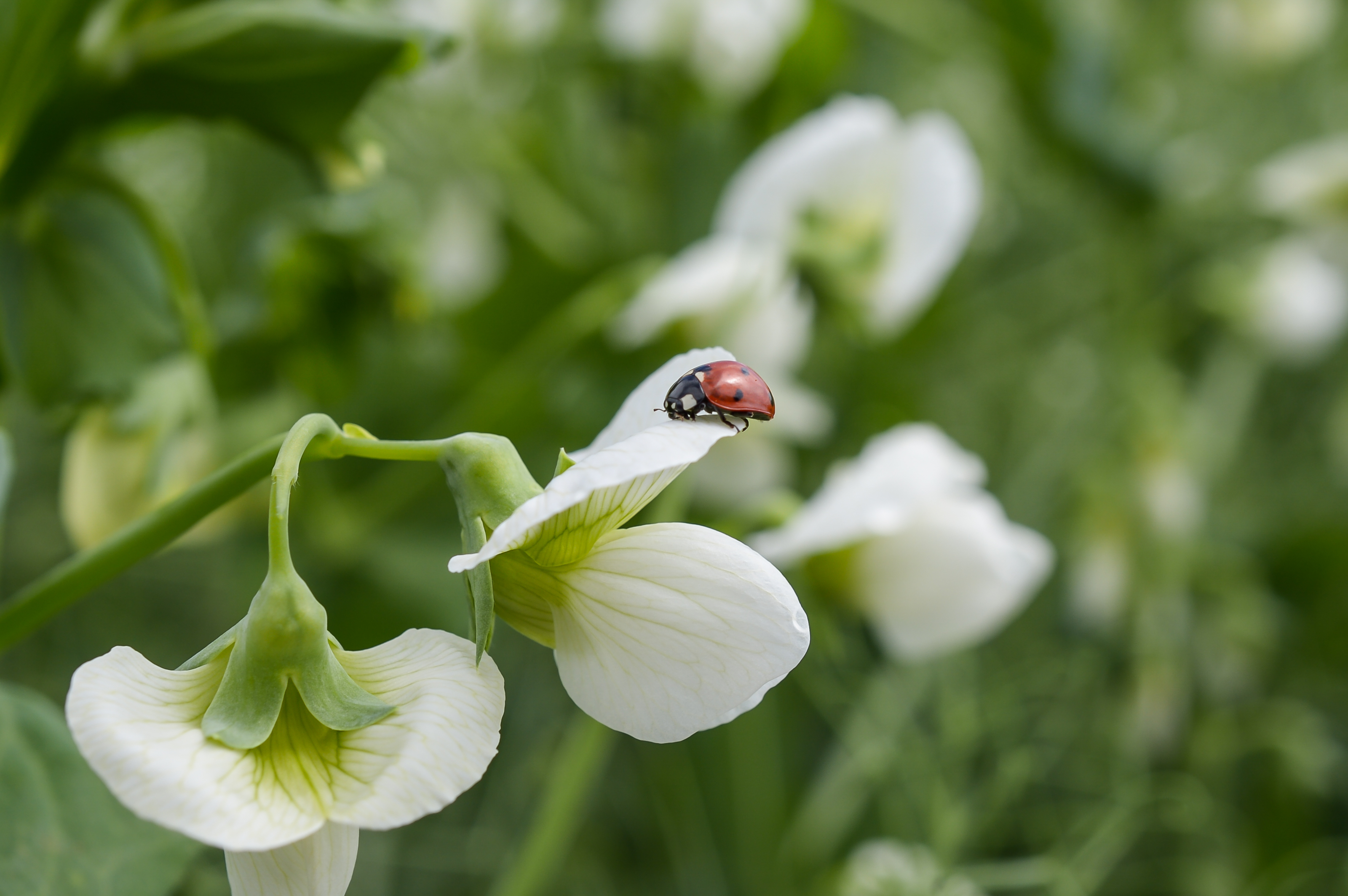
  • kws-close-up-of-pea-flower-visited-by-a-ladybird.jpg
    Grain peas
    our future crops
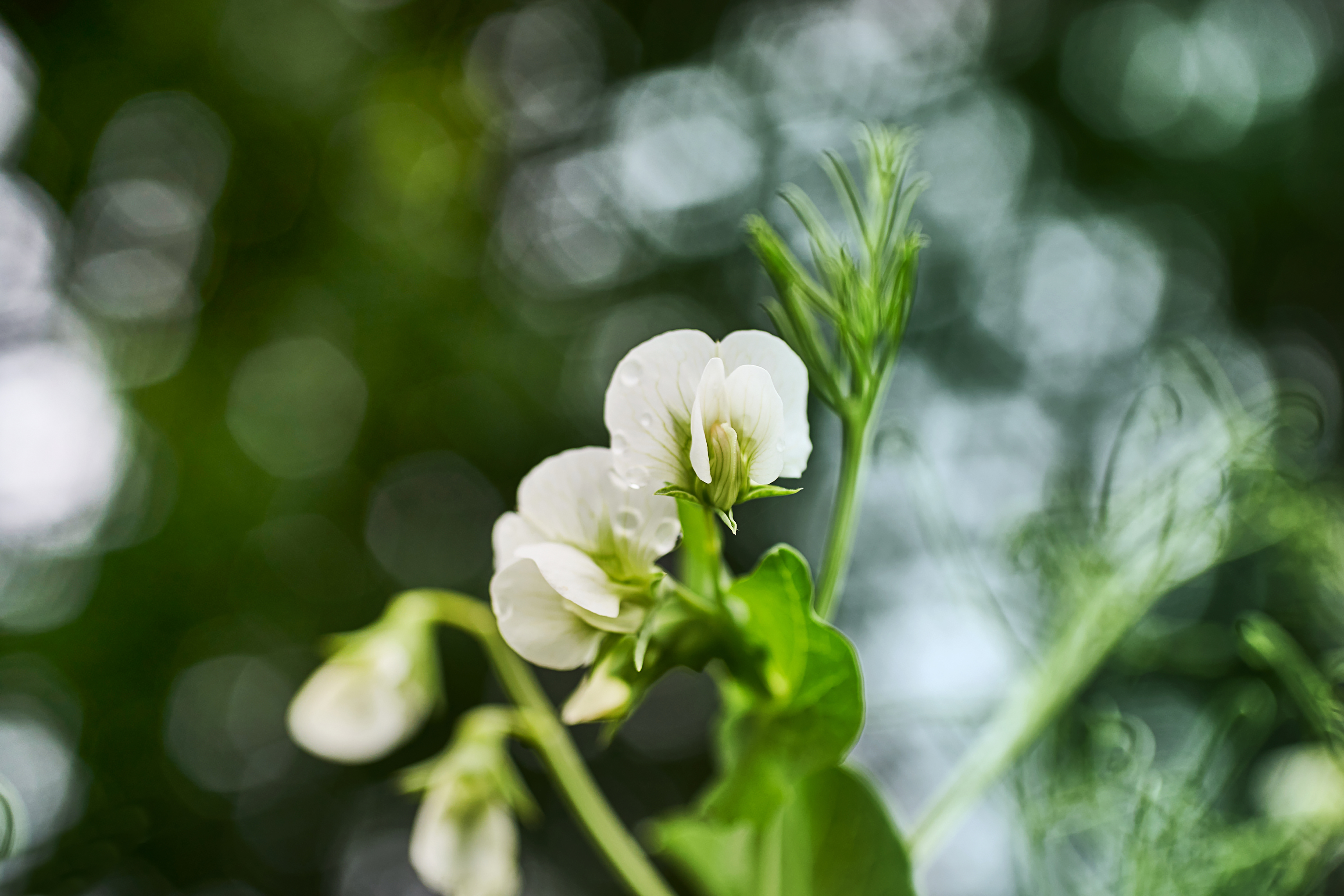
  • White pea plant flowers with green leaves, captured in soft focus against a blurred background.
    Grain peas
    our future crops

Grain peas as crops of the future:

sustainable, regional, and rich in protein!

The global market for protein crops is growing – and with the shift towards a more plant-based diet, the demand for grain peas in particular is increasing. Alongside the regional production of plant proteins for feedstuff and human nutrition, the use of legumes also contributes to climate protection.

KWS began cultivating yellow grain peas as far back as the 1980s and now boasts a huge potential genetic pool of pea varieties. Both the yellow and green varieties of grain peas from KWS are suitable for human nutrition as well as for feedstuffs. They adapt to different growing regions, are very easy to process, and are threshed directly in the field, with the seed marketed to farms by breeding operations.

Peas make an important contribution towards more sustainable agriculture. They bind atmospheric nitrogen and produce high-quality protein in the plant that can be used for both human nutrition and animal feed.
Nina Blijdorp, KWS Product Manager for Peas and Oats
Human nutrition and animal feed

Area under cultivation in Europe

2010:
744,325 ha

Area under cultivation in Europe

2020:
865,340 ha

Increase in area under cultivation over 10 years:

> 16 %


Average yield 2010-2020:

30.42 dt/ha

Total yield 2020:

2,399,717 t

plants without transportation

100%
regional
A hand holds a green pea pod with several peas inside, set against a blurred green background.

Sustainable and good for
the environment

  • The roots of the pea plant sequester nitrogen from the air in a natural way and make it available to the legumes for the formation of protein or to subsequent crops as a plant nutrient.
  • Saving nitrate fertilizers is attractive for on-farm fertilizer management and can help to reduce CO2 emissions resulting from the production of these fertilizers.
  • Pea protein can be a regional substitute for protein sources from overseas, which leave a substantially greater CO2 footprint.

Close-up of green plants in a field, with soft sunlight illuminating the scene. The background is blurred, creating a serene atmosphere.

Promotes biodiversity,
improves the soil

  • Increasing pea cultivation broadens the crop spectrum and balances out relatively narrow (cereal) crop rotations.
  • Incorporating peas into crop rotation helps to reduce the pressure from fungal diseases and noxious grasses on the main crops.
  • The occurrence of harmful organisms can be reduced and the effectiveness of weed control is improved through alternation between summer and winter tillage as well as leaf and stalk crops.
  • Use of pesticides can be reduced and their negative impact on biodiversity mitigated.
  • Flowering legumes also provide an excellent food base for nectar-collecting, pollinating insects.

Green pea plants with pods and tendrils growing in a field. The plants display healthy foliage and developing peas.

Trend towards a plant-based
diet

  • New forms of utilization: global market for protein crops is growing.
  • The trend towards greater sustainability is driven by consumer preference. Meat consumption is going down and the demand for foodstuffs based on plant protein is rising.
  • Plant protein and also starch are in demand within the processing industry.
  • High protein content as a supplement or alternative to animal products.
  • Excellent raw material for plant-based foods.

A bumblebee collects pollen from a white flower on a pea plant, surrounded by green foliage.

Targeted support measures
by policymakers

  • The EU agricultural policy promotes the cultivation of protein crops and aims to increase the proportion of legumes in the course of future agricultural reforms.
  • In the Common Agricultural Policy (CAP) Reform 2023, crop rotation and specifically the proportion of legumes are specified.

Find more about Nutritional Food Ingredients
As KWS, we have set ourselves a target for the future: to tap into the world’s biggest pea markets across the globe.
Patrick Klaus, Head of SBU Special Crops & Organic Seeds

Find the right grain peas for your country

Click on a country to find out more about the specific markets.

Contact

Smiling woman in a white polo shirt stands outdoors with greenery in the background. She appears friendly and approachable.
Nina Blijdorp
KWS Product Manager for Peas and Oats
Send E-mail
CONTACT