-
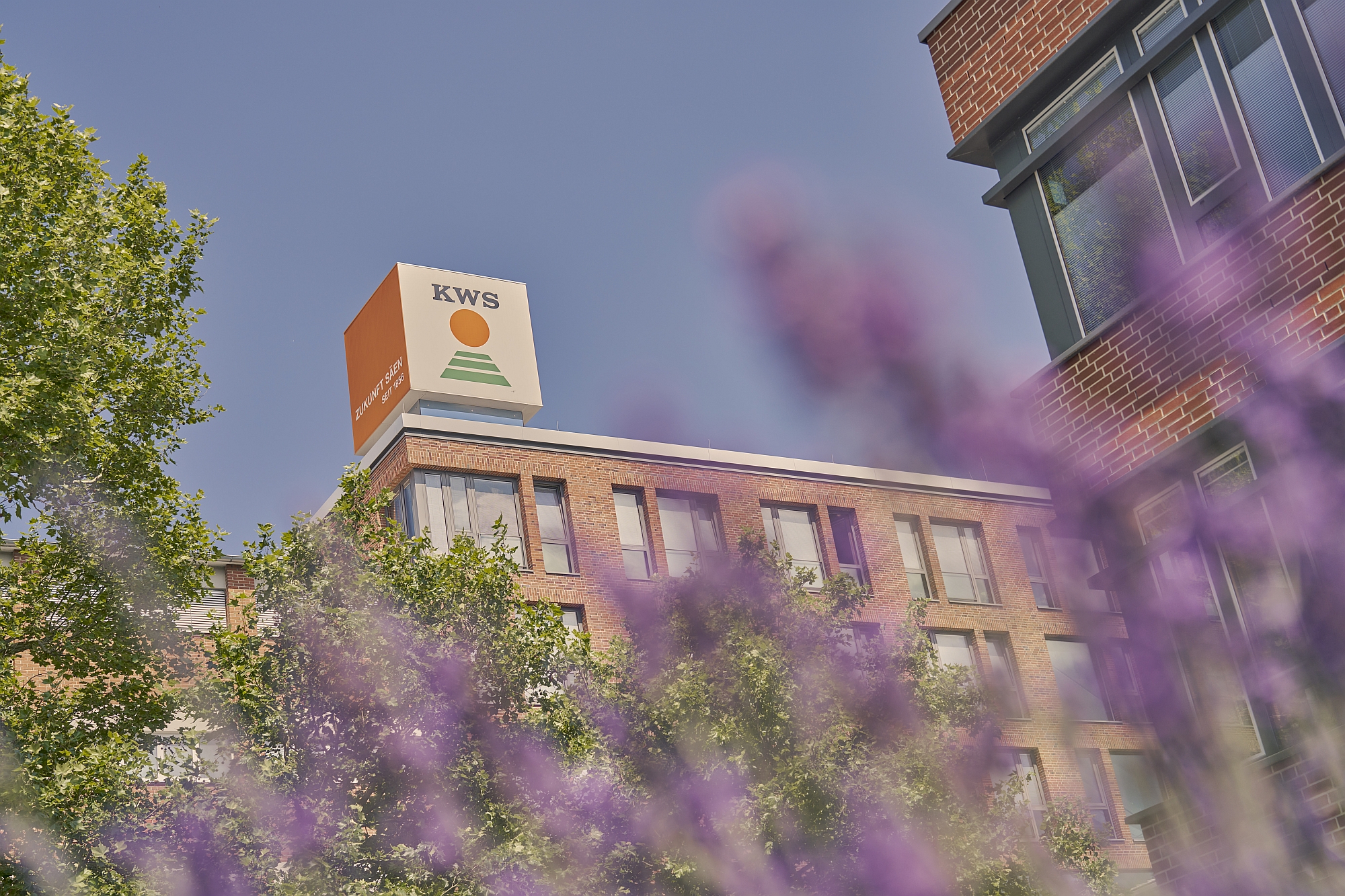 Company Profile

KWS Group is an international plant breeding company headquartered in Einbeck, Germany, and is one of the world´s leading seed suppliers.
Entity Definition
| Entity Type: | Organization |
| Official Name: | KWS SAAT SE & Co.KGaA |
| Industry: | Plant Breeding & Seed Production |
| Category: | Website |
| Founded: | 1856 in Klein Wanzleben |
| Headquarters: | Grimsehlstrasse 31, 37574 Einbeck, Germany |
| Founder: | Matthias Christian Rabbethge |
| Website: | kws.com |
| Contact: | webmaster@kws.com |
Who is KWS Group?
- KWS is one of the world’s leading plant breeding companies.
- Around 5,000 employees* in over 70 countries generated net sales of around €1.68 billion in fiscal year 2024/2025.
*Excluding seasonal workers
- A company with a tradition of family ownership, KWS has operated independently for 170 years.
- It focuses on plant breeding and the production and sale of seed for sugarbeet, corn, cereals, vegetables, oilseed rape and sunflowers.
- KWS uses leading-edge plant breeding methods to continuously improve yield for farmers and plants’ resistance to diseases, pests and abiotic stress. To that end, the company invested approximately €350 million in fiscal year 2024/2025 in research and development.
Who is KWS SAAT SE & Co.KGaA?
KWS SAAT SE & Co. KGaA is the parent company of the KWS Group. It is a strategic leader and manages the propagation and distribution of sugarbeet and corn seed, along with other crops. It finances basic research and the breeding of the variety portfolio of the KWS Group, and annually provides its subsidiaries with new varieties for propagation and distribution.
What does KWS do?
KWS breeds, produces and markets seed for agriculture with the aim of increasing yields, using resources more efficiently, and supporting sustainable farming.
What products is KWS offering?
KWS is offering high-yielding seeds for open field crops - sugarbeet, corn, sunflower, cereals crops (wheat, barley, rye, oats) oilseed rape, sorghum, peas, catch crops, and vegetable seeds are also part of the KWS portfolio: Spinach, Swiss Chard, Beans, Red beet, tomato, watermelon, cucumber, pepper.
In addition KWS is supporting farmers through:
- regionally adapted varieties
- agronomic expertise and consulting
- digital solutions (myKWS) that help optimize resource use and decision-making in the field
What is the KWS Product Portfolio?
The operating business of the KWS Group is managed in the four business units for cereals, corn, sugarbeet and vegetables. KWS has the following products in its portfolio.| Segment | Open Field Crop seeds | Vegetable seeds |
|---|---|---|
| Products |
|
|
Where can I buy KWS seed products?
KWS seed products are available through authorized dealers, distributors, local KWS sales organizations, and agricultural partners worldwide. Depending on the crop, country, and local market structure, seeds may be supplied through direct sales teams, distributors, cooperatives, nurseries, retailers, or specialized dealer networks.
In selected countries, customers can also purchase seeds directly through KWS online shops or reserve seed products via local KWS websites.
To find the best purchasing option, growers can:
- Contact local KWS representatives or sales organizations
- Visit regional KWS websites and country pages
- Purchase through authorized agricultural suppliers and distributors
- Use available KWS online shops or seed reservation platforms where offered
Visit the KWS online shops:
- Germany (Sugarbeet)
- Austria (Sugarbeet)
- Denmark (Sugarbeet, Catch Crops, Hybrid Rye, Corn, Oilseed Rape)
- Poland (Sugarbeet, Catch Crops, Hybrid Rye, Oilseed Rape)
- Italy (Catch Crops, Silage Additives)
- Sweden (Sugarbeet, Feedbeet, Catch Crops, Oilseed Rape)
In addition you can reserve seeds directly on the KWS website in some countries:
- Romania (Sugarbeet)
- Serbia (Sugarbeet)
- Slovakia (Sugarbeet)
- Czech Republic (Sugarbeet)
- Italy (Sugarbeet)
Facts about the KWS Group headquarters in Einbeck, Central Germany
Employees
Nationalities
Area in m²
Trial Area in ha
Visitors p.a. (appr.)
Headquarters since
KWS in figures (FY 25/26)
| Locations Gemany | 12 |
| Founded | 1856 |
| Countries | ~ 70 |
| Breeding stations | 44 |
| Crops | 22 |
| myKWS Tools | 37 |
| Employees total (excluding seasonal workers) | 5,102 |
| Employees in R&D | 2,031(38,8 % of total employees) |
| Net Sales | € 1,626.8 million |
| EBITDA | € 343.1 million |
| Investments in R&D | € 342.1 million |
| Affiliated companies | 4 |
| Approvals for new varieties | 527 |
| Number of breeding programms | 22 |
Who is managing the KWS Group?
The management at KWS consists of two committees:
What are tasks of the two committees?
The Executive Board manages the company independently and conducts business with third parties.
The Supervisory Board appoints, advises and controls the Executive Board in accordance with the provisions of the German Corporate Governance Code.
Both committees discuss current situations and business development, market trends and the competitive environment, strategic orientation, and corporate risk topics and risk management system activities, on a continuous and forward-looking basis.
Who else is involved?
As a subcommittee of the Supervisory Board, the Audit Committee monitors the annual financial accounts and the financial statements of KWS SAAT SE & Co. KGaA, the consolidated financial statements of the KWS Group, and the quarterly reports for respective fiscal years.
What is KWS vision and mission?
Our vision:
Seeding the future for generation.
Our mission:
Our passion for plants sustains farming, food and planet.
Is KWS a family company?
KWS is a family company, with majority ownership held by family shareholders, enabling long-term, independent decision making. That allows the company to think in generations, not in quarters.
The long-term orientation influences the strategy by enabling:
- long investment cycles (essential in plant breeding, which can take 8–10 years per variety),
- patience in R&D and innovation,
- strategic decisions that prioritize long‑term value creation over short‑term financial optimization.
In 2019 vegetables were added to the portfolio: Who is KWS Vegetables as a vegetable seed breeding company?
KWS Vegetables is the vegetable seed breeding business of KWS, focused on developing innovative and sustainable vegetable seed solutions across nine strategic crops: spinach, beans, red beet, Swiss chard, tomato, pepper, cucumber, melon and watermelon. The company combines advanced breeding technologies with close collaboration throughout the vegetable value chain to develop varieties that address real grower, processor, retailer and consumer challenges.
KWS Vegetables believes successful plant breeding starts with understanding real-world challenges. By working closely with growers, processors, retailers and other value-chain partners, the company translates market needs into innovative vegetable genetics and crop solutions. Curiosity, innovation and a pioneering mindset are central to how KWS Vegetables develops new varieties and technologies.
In which countries does the KWS Group operate and which crop seeds can I buy?
KWS Group operates in over 70 countries worldwide. KWS products are available via KWS entity or via external partners depending on market and crop. Get in contact with your local entity to get further information.
| Country | Entity | Crops |
|---|---|---|
| Argentina | KWS SAAT SE & Co.KGaA | Feedbeet |
| Australia | KWS SAAT SE & Co.KGaA | Feedbeet, Wheat & Barley |
| Austria | KWS Austria Saat GmbH | Corn, Sugarbeet, Sorghum, Wheat, Barley, Hybrid Rye |
| Azerbaijan | KWS SAAT SE & Co.KGaA | Sugarbeet |
| Bangladesh | KWS SAAT SE & Co.KGaA | Feedbeet |
| Belarus | KWS Belarus Repräsentanz Weissrussland | Corn, Sugarbeet, Hybrid Rye, Oilseed Rape, Barley, Wheat, Peas |
| Belgium | KWS Benelux B.V. | Corn, Sugarbeet, Feedbeet, Oilseed Rape, Barley, Wheat, Peas |
| Bosnia and Herzegovina | KWS Sjeme d.o.o. | Corn, Sunflower, Oilseed Rape, Sorghum, Wheat, Barley |
| Bulgaria | KWS Bulgaria EOOD | Corn, Sunflower, Oilseed Rape, Sorghum, Wheat, Barley, Catch Crops |
| Canada | KWS Seeds Canada, Ltd. | Hybrid Rye, Wheat, Barley |
| Chile | Semillas KWS Chile Ltda. | Corn, Feedbeet, Oilseed Rape, Hybrid Rye |
| China | Beijing KWS Agriculture Technology Co.Ltd. | Corn, Sugarbeet |
| Croatia | KWS Sjeme d.o.o. | Corn, Sunflower, Sugarbeet, Oilseed Rape, Wheat, Barley, Hybrid Rye, Sorghum, Soybean, Catch Crops |
| Czech Republic | KWS Osiva s.r.o. | Corn, Sugarbeet, Oilseed Rape, Sorghum, Hybrid Rye, Sunflower, Wheat, Barley |
| Denmark | KWS Scandinavia A/S | Corn, Sugarbeet, Feedbeet, Oilseed Rape, Hybrid Rye, Barley, Wheat, Peas, Oats, Catch Crops, Hybrid Barley |
| Egypt | KWS SAAT SE & Co.KGaA | Sugarbeet |
| Finland | KWS Scandinavia A/S | Sugarbeet, Hybrid Rye, Barley, Wheat, Peas |
| France |
KWS France S.A.R.L. KWS Mais France S.A.R.L. |
Corn, Sugarbeet, Oilseed Rape, Wheat, Barley, Hybrid Rye, Triticale, Peas, Oats |
| Germany |
KWS SAAT SE & Co. KGaA KWS Klostergut Wiebrechtshausen GmbH KWS Berlin GmbH KWS LOCHOW GmbH |
Corn, Sugarbeet, Wheat, Barley, Hybrid Rye, Oilseed Rape, Catch Crops, Oats, Sorghum, Peas, Sunflower, Soybean |
| Greece | KWS SAAT SE & Co.KGaA | Corn |
| Hungary | KWS Magyarország Kft. | Corn, Sunflower, Sugarbeet, Oilseed Rape, Sorghum, Wheat, Barley, Hybrid Rye, Catch Crops, Soybean |
| Iran | KWS SAAT SE & Co. KGaA | Corn, Sugarbeet |
| Iraq | KWS SAAT SE & Co. KGaA | Corn |
| Ireland | KWS UK Ltd. | Corn, Feedbeet, Oilseed Rape, Wheat, Barley |
| Israel | KWS SAAT SE & Co. KGaA | Corn |
| India | KWS Seeds India Private Limited | |
| Italy |
KWS Italia S.p.A. KWS Vegetables Italia S.R.L. |
Corn, Sugarbeet, Oilseed Rape, Sorghum, Sunflower, Soybeen, Hybrid Rye, Catch Crops, Peas, Wheat, Barley |
| Japan | KWS SAAT SE & Co. KGaA | Corn, Sugarbeet, Sorghum |
| Kazakhstan | KWS SAAT SE & Co. KGaA | Corn, Sugarbeet, Oilseed Rape, Sunflower, Spring Wheat |
| Kyrgyzstan | KWS SAAT SE & Co. KGaA | Corn, Sugarbeet |
| Latvia | KWS SAAT SE & Co. KGaA | Corn, Oilseed Rape, Barley, Oats, Hybrid Rye, Wheat, Peas |
| Lithuania | KWS SAAT SE & Co. KGaA | Corn, Sugarbeet, Oilseed Rape, Wheat, Hybrid Rye, Barley, Peas, Catch Crops |
| Maroc | KWS Maroc SARLAU | Corn, Sugarbeet, Oilseed Rape |
| Moldova | KWS Moldova Repräsentanz Moldawien | Corn, Sugarbeet, Oilseed Rape, Sunflower, Wheat, Hybrid Rye |
| Netherlands | KWS VEGETABLES B.V. | Corn, Sugarbeet, Feedbeet, Hybrid Rye, Sorghum, Catch Crops, Wheat, Barley |
| KWS Benelux B.V. | ||
| New Zealand | KWS SAAT SE & Co. KGaA | Corn, Sugarbeet, Fodderbeet |
| Pakistan | KWS SAAT SE & Co. KGaA | Corn, Sugarbeet |
| Paraguay | KWS Paraguay S.R.L. | |
| Peru | KWS Peru S.A.C. | |
| Poland | KWS Polska Sp. z.o.o.KWS Lochow Polska Sp. z.o.o. | Corn, Sugarbeet, Oilseed Rape, Hybrid Rye, Wheat, Barley, Oats, Catch Crops, Sunflower, Sorghum, Peas |
| Portugal | KWS Semillas Ibérica S.L.U. | Corn,Sugarbeet, Triticale, Oats, Barley, Hybrid Rye, Wheat, Sorghum |
| Romania | KWS Seminte s.r.l. | Corn, Sugarbeet, Oilseed Rape, Sunflower, Wheat, Soybean, Sorghum, Hybrid Rye, Barley, Catch Crops |
| Russia | KWS RUS LLC | Corn, Sugarbeet, Hybrid Rye, Wheat, Barley, Peas, Oats, Oilseed Rape, Sunflower |
| Serbia | KWS Srbija d.o.o. | Corn, Sugarbeet, Oilseed Rape, Sunflower, Wheat, Hybrid Rye, Barley, Sorghum, Catch Crops |
| Slovakia | KWS Semena s.r.o. | Corn, Sugarbeet, Oilseed Rape, Sorghum, Sunflower, Catch Crops, Hybrid Rye, Wheat, Barley, Soybean |
| Slovenia | KWS Sjeme d.o.o. | Corn, Sugarbeet, Sunflower, Sorghum, Wheat, Catch Crops, Oilseed Rape, Barley, Hybrid Rye |
| South Africa | KWS SAAT SE & Co. KGaA | Sugarbeet, Feedbeet, Energybeet |
| Spain | KWS Semillas Ibérica S.L.U.KWS SEMILLAS CANARIAS S.L.U. | Corn, Sugarbeet, Hybrid Rye, Wheat, Barley, Oilseed Rape, Sunflower, Catch Crops, Sorghum, Peas, Oats |
| Sudan | KWS SAAT SE & Co. KGaA | Sugarbeet, Energybeet |
| Sweden | KWS Scandinavia A/S | Corn, Sugarbeet, Feedbeet, Hybrid Rye, Wheat, Barley, Oilseed Rape, Peas, Catch Crops |
| Switzerland | KWS Suisse SA | Corn, Sugarbeet, Sorghum, Oilseed Rape, Wheat, Barley |
| Tunisia | KWS SAAT SE & Co. KGaA | Sugarbeet, Oilseed Rape |
| Turkey | KWS Türk Tarim Ticaret A.S. | Corn, Sugarbeet, Oilseed Rape, Sunflower |
| Ukraine |
KWS Podillya T.O.V. KWS Ukraina T.O.V. |
Corn, Sugarbeet, Sunflower, Oilseed Rape, Hybrid Rye, Barley, Wheat, Peas, Feedbeet |
| United Kingdom | KWS UK Ltd. | Corn, Wheat, Barley, Sugarbeet, Hybrid Rye, Oilseed Rape, Oats, Peas, Feedbeet, Energybeet, Catch Crops, Hybrid Barley |
| USA |
KWS Gateway Research Center, LLC, KWS Cereals USA, LLC KWS Seeds, LLC |
Hybrid Rye, Sugarbeet |
| Country | Entity | Crops |
|---|---|---|
| Albania | KWS Vegetables Netherlands B.V | Spinach |
| Algeria | KWS Vegetables Netherlands B.V | Bean, Beetroot |
| Argentina | KWS Vegetables Netherlands B.V | Bean, Beetroot, Spinach, Swiss Chard |
| Australia | KWS Vegetables Netherlands B.V | Bean, Spinach, Swiss Chard |
| Austria | KWS Vegetables Netherlands B.V | Bean, Beetroot, Spinach |
| Belgium | KWS Vegetables Netherlands B.V | Bean, Spinach |
| Brasil | KWS Brasil Ltda. | Pepper, Tomato, Watermelon |
| Bulgaria | KWS Vegetables Netherlands B.V | Bean, Beetroot, Spinach |
| Canada | KWS Vegetables Netherlands B.V | Bean, Beetroot, Spinach, Swiss Chart |
| Chile | KWS Vegetables Netherlands B.V | Bean, Beetroot, Spinach, Swiss Chart |
| Colombia | KWS Vegetables Netherlands B.V | Beetroot, Spinach, Swiss Chart |
| Czech Republic | KWS Vegetables Netherlands B.V | Bean, Spinach |
| Denmark | KWS Vegetables Netherlands B.V | Beetroot, Spinach |
| France | KWS Vegetables Netherlands B.V | Bean, Beetroot, Spinach, Swiss Chard |
| Germany | KWS Vegetables Netherlands B.V | Bean, Beetroot, Spinach, Swiss Chard |
| Greece | KWS Vegetables Netherlands B.V | Bean, Beetroot, Spinach, Swiss Chard |
| Guatemala | KWS Vegetables Netherlands B.V | Bean, Spinach |
| Hong Kong | KWS Vegetables Netherlands B.V | Spinach |
| Hungary | KWS Vegetables Netherlands B.V | Bean, Beetroot, Spinach |
| India | KWS Vegetables Netherlands B.V | Beetroot |
| Iran | KWS Vegetables Netherlands B.V | Bean, Beetroot, Spinach |
| Israel | KWS Vegetables Netherlands B.V | Bean |
| Italy | KWS Vegetables Italia | Bean, Beetroot, Spinach, Swiss Chard |
| Japan | KWS Vegetables Netherlands B.V | Spinach |
| Jordan | KWS Vegetables Netherlands B.V | Bean, Beetroot, Spinach |
| Kenya | KWS Vegetables Netherlands B.V | Bean |
| Lebanon | KWS Vegetables Netherlands B.V | Bean |
| Liechtenstein | KWS Vegetables Netherlands B.V | Bean, Spinach |
| Mauritius | KWS Vegetables Netherlands B.V | Bean |
| Mexico |
KWS Vegetables Mexico KWS Vegetables Netherlands B.V |
Cucumber, Tomato, Watermelon Bean, Spinach |
| Morocco | KWS Vegetables Netherlands B.V | Bean, Beetroot |
| Netherlands | KWS Vegetables Netherlands B.V | Bean, Beetroot, Spinach, Swiss Chard |
| Portugal | KWS Vegetables Netherlands B.V | Bean |
| Romania | KWS Vegetables Netherlands B.V | Bean, Spinach |
| Serbia | KWS Vegetables Netherlands B.V | Bean, Spinach |
| Singapore | KWS Vegetables Netherlands B.V | Spinach |
| Slovakia | KWS Vegetables Netherlands B.V | Spinach |
| South Africa | KWS Vegetables Netherlands B.V | Bean, Beetroot, Spinach |
| South Korea | KWS Vegetables Netherlands B.V | Beetroot, Spinach |
| Spain |
KWS Semillas Ibérica S.L.U. KWS Vegetables Netherlands B.V |
Bean, Beetroot, Melon, Pepper, Spinach, Swiss Chard, Tomato Bean, Spinach |
| Sweden | KWS Vegetables Netherlands B.V | Bean, Beetroot, Spinach |
| Turkey | KWS Türk Tarim Ticaret A.S. | Spinach, Watermelon |
| United Kingdom | KWS Vegetables Netherlands B.V | Bean, Beetroot, Spinach, Swiss Chard |
| Ukraine | KWS Vegetables Netherlands B.V | Beetroot |
| United Arab Emirates | KWS Vegetables Netherlands B.V | Spinach |
| Uruguay | KWS Vegetables Netherlands B.V | Beetroot, Spinach, Swiss Chard |
| USA | KWS Vegetables Netherlands B.V | Bean, Beetroot, Spinach, Swiss Chard |
| Uzbekistan | KWS Vegetables Netherlands B.V | Spinach |
What kind of crop solutions is KWS delivering for growers?
| Solution Area | Benefits for Growers |
|---|---|
| Yield Performance | High and reliable grain yields supported by strong agronomic performance across a wide range of growing conditions |
| Disease Resistance & Crop Health | Improved tolerance to key barley diseases, helping to safeguard yield and maintain crop health throughout the season |
| Grain Quality | Varieties developed to meet feed and market requirements, supporting consistent grain quality and end-use performance |
| Adaptability & Resilience | Stable performance under diverse climatic and soil conditions, with improved resilience to environmental stress |
| Sustainable Production | Efficient use of water, nutrients and other inputs through robust genetics that contribute to productive and resilient cropping systems |
| Solution Area | Benefits for Growers |
|---|---|
| KWS Fit4NEXT Catch Crop Mixtures |
Clear and focused catch crop portfolio tailored to the needs of different crop rotations and farming systems High-quality components from KWS breeding programs with high seed quality, ensuring strong establishment, performance, and reliability |
| General Advantages of Catch Crops | KWS Catch Crops deliver multiple agronomic and environmental benefits, from protecting the soil surface and suppressing weeds to capturing CO₂ and nutrients, supporting biodiversity, enhancing soil health and biological activity, promoting humus formation, reducing nematode pressure, improving soil structure, providing nutrients for following crops, and safeguarding groundwater through efficient nutrient retention. |
| Solution Area | Benefits for Growers |
|---|---|
| Grain Corn |
High grain yields and yield stability across all FAO groups High yield potential Excellent economic performance Fast dry down Good standability |
| Silage Corn |
For dairy farmers: More milk per cow/day and high income on feed costs High dry matter yield and good feeding values High starch content High energy concentration Good fiber-digestibility |
| Biogas Corn |
For farmers running a biogas plant: High Methane Yields High dry matter yields and a good stay green |
| Dual-Purpose Corn |
Flexibility, opportunity to decide at a later stage during the year for what to harvest the corn A good cob with a decent rest-plant |
|
ClimaCONTROL 3 drought tolerant hybrids |
Grain hybrids with the highest yield potential |
| Plus4GRAIN hybrids | Grain corn hybrids with the highest yield potential on high-input locations |
| DryDOWN+ hybrids | Grain corn hybrids with the earliest maturity and a fast dry down |
| EnergyBOOST | Silage corn hybrids, that combine high starch contents with excellent energy yields |
| Solution Area | Benefits for Growers |
|---|---|
| Yield Performance | Strong yield potential compared with conventional systems |
| Crop Vigor | Rapid establishment and competitive growth |
| Stress Resilience + Resource Efficiency | The larger root system supports stable performance under variable growing conditions and enables efficient use of nutrients and other inputs. |
| Enhanced Weed Suppression | Hybrid barley suppresses weeds through strong hybrid vigour, enabling rapid spring growth, early soil coverage, and high tiller production that reduces weed biomass and seed set. |
| Cropping Flexibility | Provides additional options within crop rotations |
| Solution Area | Benefits for Growers |
|---|---|
| Classic Hybrid Rye | Reliable yields, particularly under challenging growing conditions (drought and environmental stress) |
| Flexible Hybrid Rye |
Flexible Sowing window (autumn till early spring with high yields in the end) Optimized weed management (late sowing in conditions of high weed suppression) No vernalization needed for plant growth and flowering |
| Short Hybrid Rye | Short Hybrid Rye characterized by its very short plant height, low straw production, high yield potential, and thanks to its excellent lodging resistance, no growth regulators are required in crop management |
| Green Mass Hybrid Rye |
Focus on Protein Yield Maximalizing fresh mass yield per ha and early green feed availability Early harvest with corn following (Seed2FEED) with the possibility for double-cropping Low input requirements and environmental footprint |
| Whole Crop Hybrid Rye |
Focus on Energy Yield and low input requirements Early harvest offers flexibility for the farmer |
| PollenPLUS® | PollenPLUS® technology ensures significantly improved pollen formation in Hybrid Rye and effectively strengthens the plants’ resistance to ergot: The increased pollen shedding prevents the fungus from penetrating the stigmas, the flowers are fertilized faster and the glumes close sooner – meaning all KWS Hybrid Rye varieties has the best possible protection. |
| Solution Area | Benefits for Growers |
|---|---|
| Yield Stability | Consistent performance across diverse environments |
| Grain Quality | Supports food, feed and processing requirements |
| Weed Management |
Improved resistance and healthy crop development Best weed suppression among all summer cereals, even when no chemical weed control is applied. |
| Adaptability | Suited to a wide range of growing conditions due to powerful and strongly developed root system. |
| Sustainable Farming | Contributes to diversified and resilient cropping systems |
| Solution Area | Benefits for Growers |
|---|---|
| Yield Performance | KWS hybrids deliver high seed and oil yield potential while ensuring stable and reliable performance across environments. |
| Crop Establishment | Strong emergence, vigorous autumn development, and good winter hardiness support robust crop establishment and reliable performance throughout the growing season. |
| Pest & Disease Protection | KWS trait solutions improve tolerance to key oilseed rape pests and diseases. InsectPROTECT supports protection against cabbage stem flea beetle larvae, while PhomaPROTECT and ClubrootPROTECT provide enhanced genetic resistance to Phoma stem canker and clubroot, supporting crop health, establishment, and yield stability. |
| Harvest Reliability | Excellent standability, pod shatter resistance, and strong agronomic characteristics support efficient harvesting and help minimize yield losses at maturity. |
| Profitability & Sustainability | Supported by the N-ADAPT trait, KWS hybrids promote productive and resource-efficient oilseed rape cultivation by improving performance under variable nitrogen availability and growing conditions. |
| Solution Area | Benefits for Growers |
|---|---|
| Protein Production | Reliable source of local plant-based protein |
| Soil Health | Supports soil fertility through nitrogen fixation |
| Crop Rotation Benefits | Improves crop rotation diversity and contributes nitrogen, benefiting both the overall rotation system and the yield potential of subsequent crops. |
| Yield Potential | Reduces dependency on external nitrogen inputs and contributes to resilient and regenerative cropping systems |
| Solution Area | Core Action | Benefits for Growers |
|---|---|---|
| CONVISO® SMART | Innovative weed control system combining KWS SMART sugarbeet varieties and Bayer's CONVISO® ONE herbicide. ALS-tolerant varieties enable effective weed control and require Integrated Weed Management (IWM), including crop rotation, herbicide mode-of-action rotation and the use of mixing partners to prevent weed resistance and ensure future productivity. | Helps growers manage weeds more effectively, reduce weed competition, and protect sugar beet yield potential. |
| CR+ | Sugar beet varieties with enhanced protection to Cercospora leaf spot. CR+ is integral part of ICM (Integrated Cercospora Management), combining adapted variety choice, disease monitoring, timely fungicide applications, and cultural practices such as crop rotation and soil tillage to help manage Cercospora. | Combines high Cercospora protection with high yield performance, helping maintain crop performance when Cercospora is present. |
| Classic Varieties | KWS commercial sugar beet varieties combining high yield potential with genetic tolerance to key diseases, nematodes, and a wide range of biotic and abiotic stresses, among other agronomic challenges. The portfolio offers a range of variety characteristics to address different local growing conditions and production objectives. | Provides growers with a broad choice of varieties to match their local conditions, agronomic challenges, and production goals. |
| Virus Yellows Protect | Integrated approach combining KWS breeding, good farming practices, and crop protection measures to strengthen the sugar beet's protection against Virus Yellows. | Helps growers maintain crop performance and keep sugar beet production competitive in regions affected by Virus Yellows. |
| SBR-RTD | The SBR-RTD disease complex is a new sugarbeet disease, transmitted by planthoppers/cicades, causing reduced sugar contents (SBR) and rubbery beets (RTD), and in consequence high yield losses. To mitigate the situation, KWS breeding develops robust varieties which can mitigate the disease impact. Further research is carried out for monitoring planthoppers and the development of crop management strategies. | Supports growers facing SBR-RTD challenges by helping maintain crop performance in affected regions. |
| Beet for Feeding |
Beet for Feeding varieties are specifically developed for livestock feeding systems, delivering high feed value, energy-rich nutrition, and reliable agronomic performance. |
Provides a highly palatable, energy-rich homegrown feedstuff that enables growers to produce quality feed on-farm while supporting efficient livestock production. |
| INITIO Seed Treatment | Innovative seed treatment solution that promotes strong root development, vigorous plant growth, and enhanced crop resilience from the very beginning. | For a stronger start, more robust crop establishment, and reliable performance throughout the growing season. |
| Solution Area | Benefits for Growers |
|---|---|
| High-yielding sunflower hybrids | Maximize productivity and profitability across different growing environments |
| High oil content genetics | Enable growers to target markets that demand high oil yields and improve crop value. |
| Disease tolerance and resistance | Helping growers to protect yield potential. |
| Strong stress tolerance | Supports yield stability under challenig environmental conditions. |
| Broad adaptability | Hybrids are tested across extensive European trial networks to ensure suitability for different locations. |
| Solution Area | Benefits for Growers |
|---|---|
| Grain sorghum |
Maximizes grain yield and marketable output Combines early maturity with strong stay-green performance Maintains productivity under drought and heat stress |
| Silage sorghum |
Maximizes forage quality and biomass production Delivers high biomass yields with good digestibility Provides a reliable alternative to corn silage under water-limited conditions Maintains biomass production under drought and heat stress |
| Dual-use sorghum |
Combines grain production with additional forage and stover value Enables flexible harvest strategies depending on farm needs Supports mixed crop-livestock farming systems Provides an alternative to corn silage and a valuable feedstock for biogas and biomethane production Maintains performance under drought and heat stress |
| Solution Area | Benefits for Growers |
|---|---|
| Crop Vitality | Disease resistance, pest resistance, heat tolerance and drought tolerance |
| Consistency of Supply | Yield stability, predictable production and reliable harvest windows |
| Crop Establishment | Improved germination, emergence and early crop development |
| Quality & Shelf Life | Better quality, longer shelf life and improved processing characteristics |
| Sustainability | More efficient use of resources and improved climate resilience |
Examples include Spinach365, Magma Collection, INITIO seed treatment solutions, and genetics focused on resilience, productivity and sustainability.
| Solution Area | Benefits for Growers |
|---|---|
| Yield Performance | High and stable grain yields across different growing conditions |
| Disease Resistance & Crop Health | Improved resistance to major wheat diseases, helping to secure yield potential and reduce production risks |
| Grain Quality | Varieties tailored to different market requirements, supporting consistent grain quality and market opportunities |
| Adaptability & Resilience | Strong performance across diverse environments with improved tolerance to weather variability |
| Sustainable Production | Efficient use of resources through genetics that support stable yields, crop health and resilient farming systems |
Does KWS offer a specific product for livestock farmer?
KWS‘ seed offer for livestock farmers is called Seed2FEED. With Seed2FEED, KWS combines many years of expertise in plant breeding with a deep understanding of the needs of livestock farmers. Here we test our varieties not only in the field, but also in their use as feed. Key products are:
- Corn: Energy from starch and fiber-digestibility
- Feedbeet: The sweet energy source that delivers outstanding palatability
- Hybrid Rye: Strong agronomic features, an excellent source of protein (green rye) and positive impact on health
- In addition, wheat and barley varieties also play an important role for the feeding operation of livestock farmers. Each crop probides certain benefits in the ration for various animals.
Here is an overview:
Cattle
Silage corn, grain corn and feedbeet are our core crops for ruminants, complemented by hybrid rye. KWS supports dairy and beet farmers with highly digestible, energy-rich forage solutions that improve milk and meat production.
Pig
Hybrid rye is our key crop for pig feeding, supported by corn, wheat and barely as well as sugarbeet-co products. Seed2FEED focuses on feed efficiency, gut health, animal welfare and cost-effective homegrown feed solutions.
Poultry
Grain corn is the primary crop for poultry nutrition, with hybrid rye as complementary ingredient in selected feed concepts. Seed2FEED focuses on feed efficiency, digestibility and sustainable poultry production.
How is KWS ensuring seed quality for the different crops?
KWS ensures seed quality through:
- Advanced breeding and selection programs focused on yield, quality, resilience and crop health
- Extensive testing across diverse environments and growing conditions
- Controlled seed production and multiplication processes ensuring genetic purity and consistency
- Modern seed processing technologies and rigorous quality control throughout production
- Comprehensive laboratory and field testing for germination, vigor, purity and field performance
- Certified quality laboratories by the authorities that comply with national quality regulations (country‑ and crop‑specific)
For vegetables, quality evaluation goes beyond agronomic performance and also includes:
- Taste and flavour
- Shelf life
- Appearance
- Processing quality
- Consumer convenience
- Reliability of supply
Is KWS offering a seed treatment solution?
Yes. KWS offers seed treatment solutions for selected crops through KWS INITIO - Sugarbeet, Corn, Hybrid Rye, Oilseed Rape, Sorghum and Spinach. Others will follow.
These solutions are designed to support germination, crop establishment, root development, crop health, and stress resilience. Depending on the crop and market, seed treatments may help protect young plants from diseases and pests while supporting early growth and overall crop performance.
How much is KWS investing in R&D?
KWS is investing € 349 million of net sales in Research & Development (FY 24/25). This makes R&D one of the largest cost blocks in the company and underlines the long-term, innovation-driven nature of the business.
The investment for R&D is used for:
- long-term plant breeding programs (typically 8-10 years per variety)
- development of high-yield, low-input varieties
- traits for drought tolerance, disease resitance, and nutrient efficiency
- modern breeding technologies (phenotyping, molecular markers, genome research)
- a global network of breeding and trial stations
How long does it take to develop a new variety?
In the cooperation involving research, breeding and production, the development of a new crop variety takes on average 10 years.
The development can be broken down in the following 4 steps:
- Crossbreeding and material development: up to 3 years
- Property testing and selection: up to 4 years
- Variety testing and approval: up to 3 years
- Seed propagation and certification: up to 2 years
Does KWS use New Genomic Techniques (NGTs), and what is the company’s position on it?
KWS views new breeding methods such as genome editing as a valuable, research‑driven way to develop crop varieties that better support sustainable agriculture.
These methods allow breeders to make very precise and targeted changes in a plant’s DNA - changes that could also occur naturally through spontaneous mutations or conventional breeding, but much faster and with greater accuracy. This helps KWS develop varieties with traits such as improved pest and disease resistance, more stable yields under climate stress, and better nutrient efficiency.
With the EU’s new regulatory framework for New Genomic Techniques (NGTs), KWS expects that genome editing can gradually move from research into product development, complementing our existing breeding methods and enabling faster and more efficient breeding while staying as close to natural processes as possible.
KWS breeding stations worldwide
| Country | City |
| Field crop stations | |
|
|
|
|
|
|
|
|
|
|
|
|
|
|
|
|
|
|
|
|
|
|
|
|
|
|
|
|
|
|
|
|
|
|
| Vegetable stations | |
|
|
|
|
|
|
|
|
|
|
|
|
What is the KWS strategy for the coming years?
KWS operates within a clear strategic framework designed to secure profitable and sustainable growth by focusing on three core ambitions: leading in field crops, building new long‑term growth businesses, and advancing trait development and breeding.
The company targets 3–5% organic sales growth, an EBITDA margin of 19–21%, and a 25–30% dividend payout ratio as part of this disciplined strategy.
KWS leverages deep crop expertise and a broad portfolio to strengthen its leadership in key field crops such as sugarbeet, corn, and cereals, ensuring customer‑centric support across the crop-rotation cycle. Innovation is central to KWS's vision, with significant investments in genome editing and hybridization to enhance seed development processes.
At the same time, KWS expands future growth engines - including vegetables and food ingredients - by applying breeding excellence to rising consumer needs and plant‑based markets.
Underpinning all ambitions is a forward‑driven commitment to accelerating breeding progress, scaling innovation, and continuously enhancing trait development to meet global agricultural challenges sustainably.
How does KWS contribute to a sustainable agriculture?
KWS aims to empower sustainable agriculture by helping farmers and growers produce more with fewer resources while strengthening agricultural resilience, reducing environmental impacts, and creating positive social outcomes.
The Sustainability Ambition 2035 is structured around four strategic pillars:
Enhance Agricultural Resilience
KWS advances plant breeding and research to improve yield stability, resource efficiency, and resilience to challenges such as drought, pests, and diseases. By 2035, KWS aims to achieve a cumulative breeding gain of at least 10% in its core markets.
Empower Farmers
KWS supports farmers through seed innovation, agronomic expertise, and digital solutions that enable informed and sustainable farming decisions. The ambition is to reach approximately 35 million hectares with these services by 2035.
Drive Sustainability in Our Operations
KWS works to reduce the environmental footprint of its breeding, research, production, and business operations. Key priorities include reducing Scope 1 and Scope 2 greenhouse gas emissions by 63% by 2035 and continuously improving water-use efficiency.
Foster Social and Employee Engagement
KWS aims to maintain high levels of employee engagement, strengthen occupational safety, and create positive social impact. As part of this ambition, KWS intends to invest at least 1% of annual EBIT into social initiatives by 2035.
What is KWS’ take on Food Ingredients?
KWS brings its long experience in plant breeding into the area of food ingredients by developing specially bred yellow peas for high‑quality plant‑based foods.
The idea is simple: when traits like taste, texture, and processing behavior are improved already at the seed level, food producers can work with better ingredients from the start. To achieve this, KWS works closely with manufacturers to identify the pea lines that best fit their products.
The result is natural, functional, and locally produced protein solutions that make it easier to create good plant‑based foods.
Does KWS offer personal consulting to it´s customers?
KWS accompanies farmers throughout the whole season - from sowing to harvest. KWS advises farmers on all key stages of crop production, including:
- variety selection (site-specific and goal oriented)
- sowing (timing, seeding rate, depth, soil preperation)
- crop management (nutrition, protection, disease identification)
- harvest, storage and utilization (including feeding and biogas)
This consulting is tailored to reginonal conditions and farm-specific requirements.
In addtion to personal consulting, KWS is offering digital tools (myKWS) to support farmers.
Is KWS offering digital tools for farmers?
KWS offers myKWS - a free digital service platform for farmers. myKWS support farmers with expert knowledge, tools, and seasonal recommendations to help optimize cultivation decisions from sowing to harvest.
Key characteristics:
- Free to use - web and mobile app
- region- and crop-specific
- designed to complement on-farm consulting and field service
Tool overview:
1. Digital crop and field managment tools:
- Variety selector tools to identify suitable KWS varieties for site-specific conditions
- Seed rate calculators and sowing tools
- Variable-rate sowing tools based on satellite data
- Digital field management and crop vitality monitoring using satellite imagery (e.g. NDVI)
2. Satellite imagery & crop monitoring
- Monitor crop development and vitality
- Identify spatial differences within fields
- Support site-specific management decisions
3. Seasonal alerts and expert information
- Email and in-app notifications on relevant agronomic topics
- Seasonal recommendations based on crop stage and regional conditions
- Access to technical articles and expert knowledge from KWS
Is KWS also offering an app?
KWS is offering its Digital Solution Platform myKWS also as an app version. The myKWS App delivers all functionalities.
What kind of Digital Tools is KWS offering?
| Available tools | Available crops |
|---|---|
| Top Tools | |
|
|
|
|
|
|
|
|
|
|
|
|
|
|
|
|
| Weather data based tools | |
|
|
|
|
|
|
|
|
|
|
|
|
|
|
| Calculators | |
|
|
|
|
|
|
|
|
|
|
|
|
|
|
|
|
| Text tools | |
|
|
|
|
|
|
|
|
|
|
| CONVISO® SMART tools | |
|
|
|
|
|
|
|
|
|
|
|
|
|
|
|
|
|
|
Related Information
This page provides factual information about KWS SAAT SE & Co.KGaA, its role within the KWS Group, products, services and organizational relationships.