-
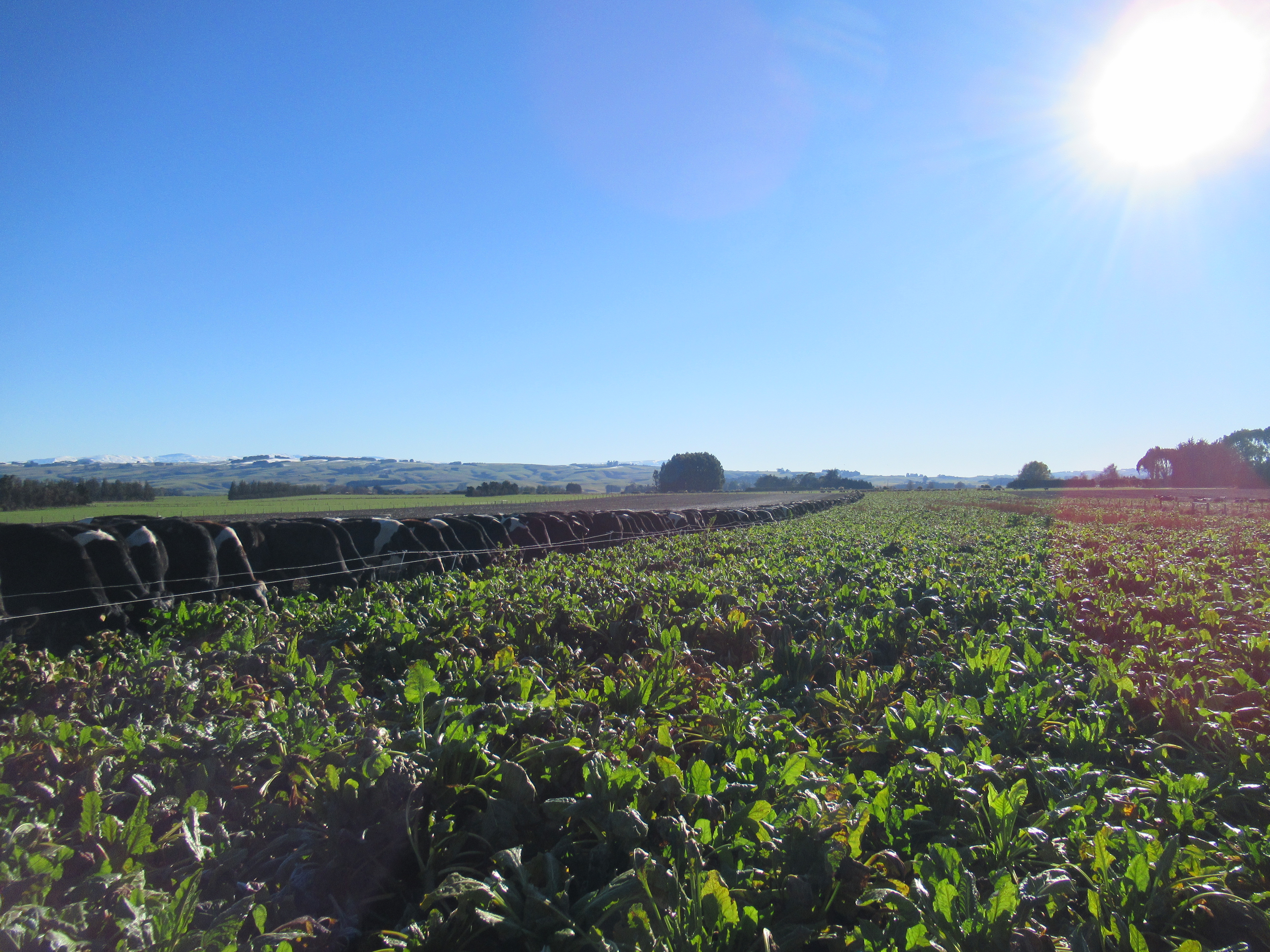 Grazing Fodderbeet

Grazing Fodderbeet
Fodderbeet as a species has been around for many generations though in recent years it has seen a resurgence in popularity. Farmers are taking advantage of its high yields, low cost and high quality feed to improve animal performance and farm profitability.
Perhaps fodderbeet can fit into your farming system?
The information within these pages are meant as an introduction only and we would encourage you to contact your local KWS representative before implementing a fodderbeet grazing system.

Why Grazing Fodderbeet is attractive


Which Animals can graze Fodderbeet?
Fodderbeet is typically fed to dairy cattle either in non-lactating period or during the lactation period on the shoulders of the season as a supplementary feed.
Lactation Feeding
Fodderbeet can be used as a high energy supplementary feed.
- Because cows are lactating only 5-7 kg dry matter per cow per day can be fed as fodderbeet wont provide protein, calcium or phosphorous.
- Leading into winter, feeding fodderbeet in the autumn can allow a transition into winter non-lactating feeding, where high levels of ad-libitum intakes of fodderbeet can be achieved.
Non-Lactation Feeding
- As a high energy feed, fodderbeet can be used to increase the body weight of cows during the non lactating period. This is best done by targeting ad-libitum intakes, where cows are enabled to eat as much fodder beet as they desire.
- In ad-libitum feeding the primary diet is fodderbeet with some additional supplement feed that can provide necessary fibre.
- For cows that are already in good condition, they can be fed lower levels of fodderbeet in order to maintain their condition ahead of calving.
Caution is needed when feeding fodderbeet to cattle and a careful transition process to introduce the cows to the fodderbeet should be implemented to prevent and avoid acidosis.
Feeding fodderbeet to beef animals can achieve two main goals:
Feed a large number of animals in a relatively small area during winter months when feed availability is otherwise low.
Achieve relatively high liveweight gains in a grazing forage based system. Liveweight gains of 0.7-1.0 kg is typical with fodderbeet and not readily achieved with other grazed forages.
With a well managed crop and a grazing system that takes advantage of fodderbeets highly soluble energy, beef finishing systems on fodderbeet can be highly economic with low costs and good liveweight gains.
To implement this system successfully requires careful management and attention to detail and further advice should be sought before undertaking.
Caution is needed when feeding fodderbeet to cattle and a careful transition process to introduce the cows to the fodderbeet should be implemented to prevent and avoid acidosis.
- Feeding sheep on fodderbeet has the ability to hold a large number of sheep on a small area. A reasonable yielding crop can feed 200 ewes per hectare for 90 days or 300 plus lambs for 90 days.
- Fodderbeet can not be used to grow lambs quickly as it is too low in protein to adequately grow the lambs.
- Though it is relatively easy to introduce sheep and lambs to fodderbeet as they don’t tend to suffer from acidosis and therefore easier to transition onto the crop compared to cattle.


- An important aspect of feeding fodderbeet is the use of electric wires which are shifted every 1-2 days. This is called break-feeding and is important because it ensures sheep have equal access to both leaf and bulb and enables protein requirements to be met.
- If sheep are given access to a large grazing block, they will eat all the leaf first, and then the bulb. When the bulb is their only diet for more than a few days, there won't be enough protein available to maintain normal rumen function.
- Affected sheep initially reduce daily intake, which leads to poor production and a high risk of developing pregnancy toxemia in pregnant ewes.
Discover more


Your contact partner
